Comforters provide an all-in-one layering solution for beds, combining insulation, warmth, and a decorative exterior. They are designed to be lightweight or substantial to suit varying climates and personal preferences. Understanding fill material, weight, and stitching helps determine the right balance between warmth and breathability for a good night’s sleep, while maintaining duvet-like ease of use.
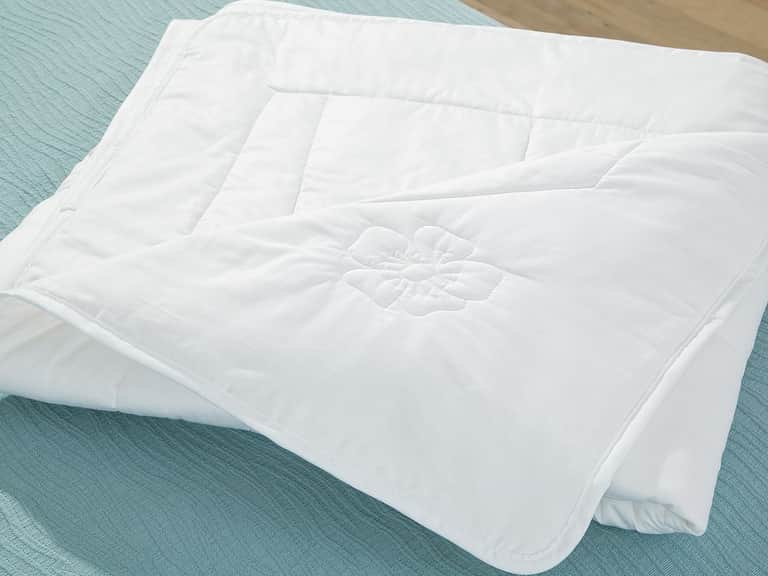
In the comforter category, materials range from natural down and down-alternative to synthetic blends, each with distinct properties. DownTown Company Summer Linen Summer Comforter, for example, emphasizes breathable linen fibers and a light thermal profile ideal for warmer seasons. The choice of fill and shell fabric influences loft, drape, and washability in everyday bedding routines.
Key features to consider include fill power, thread count, and corner construction. Higher fill power generally yields greater warmth with less weight, while breathable shells such as percale or linen reduce heat buildup. Stitching patterns, such as box quilting, help maintain even distribution of filling, preventing cold spots and improving overall durability.
Functional benefits of comforters cover a range of practical needs, from year-round use to seasonal layering. Lightweight options pair with heavier blankets for tailored warmth, while machine-washable designs simplify care. Specific products like the DownTown Company Summer Linen Summer Comforter highlight linen’s moisture-wicking and breathable qualities suitable for a restful sleeping environment.
For bedding enthusiasts, the comforter category also intersects with related items such as pillows, sheets, and duvet covers, forming a cohesive system that enhances sleep quality. Understanding compatibility between shell fabrics, fills, and thread structures helps in selecting bedding that balances comfort, durability, and easy maintenance within the broader bedding ecosystem.
 Bedding