Care and Durability: How to Choose Linen Bedding for Long-Term Value
A discerning guide to fabric quality, weaving, and finishing that determine the longevity of linen bedding—and how value-minded shoppers can separate enduring performance from transient trends.
In the age of disposability, linen asks a counter-question: what is durability if not a promise kept by time? This piece traverses centuries of textile craft and contemporary brands to illuminate how price, weave, and finish translate into lasting comfort.
Linen has long been associated with breathability, temperature regulation, and a texture that softens with every wash. Yet not all linen is created equal. The durability of linen bedding rests on three pillars: fiber quality and origin, weaving and finishing, and the care regimen a sheet or a duvet cover demands. When you buy linen with longevity in mind, you’re not merely purchasing a product; you’re investing in years of better sleep, fewer replacements, and a calmer, more sustainable household rhythm.
We examine a selection of noteworthy offerings from Naturepedic, Coyuchi, Libeco, and DownTown Company—each a touchstone in their own lane—while keeping the focus squarely on value. The aim is practical insight rather than brand dogma, a guide for savvy readers who want warmth, texture, and durability without paying for hype.
Linen: The Case for Durability
Linen’s reputation for longevity is not merely a marketing flourish. The fiber—flax stalks pressed into long, strong fibers—offers natural resilience. When you buy linen bedding, you’re choosing a fabric that gains character with time, not one that frays at the edges after a season. The texture evolves, the linen becomes softer, and the weave—whether a plain weave or a more open, relaxed variation—decides how quickly it creases, breathes, and ages.
Three aspects matter most when judging durability in linen bedding:
- Fiber origin and processing: GOTS certification and responsibly sourced flax signal environmental and quality commitments.
- Weave and finish: a plain weave offers crisp durability; looser weaves strike a balance between breathability and wear resistance.
- Care compatibility: linen loves gentle washing cycles, cool or warm temperatures, and air-drying or low-heat drying to preserve texture and prevent over-softening.
Brand-focused Lenses: What to Expect
Careful readers will recognize that different brands foreground durability through different design choices. Here’s a concise tour of what to expect from four prominent players, anchored by a practical lens on value rather than novelty:
- Naturepedic — Organic linen sheets designed for long-term performance. Expect a weightier, stone-washed hand and fiber integrity built from certified organic flax grown in France and woven in India/Portugal facilities. The emphasis is on lasting comfort and hypoallergenic attributes that remain stable across washes.
- Coyuchi — A pioneer in organic textiles, Coyuchi’s relaxed linen sets balance breathability with a soft, evolving hand. The line emphasizes GOTS-certified linen, plant-based finishing, and a durable drape that improves with wear. They are a reliable choice for readers who value a relaxed, lived-in look that remains refined.
- Libeco — Linen with a storied European pedigree, Libeco’s duvet covers and sheet ensembles leverage long-established weaving traditions. Expect refined texture, crisp hand, and a finish that holds up through frequent laundering, especially when paired with appropriate care.
- DownTown Company — Layla Linen collections present a modern, clean aesthetic with durable finish and edge detailing. The focus here is on practical wear resistance and a timeless tone that pairs well with a broad palette of bedding configurations.
Care and Durability: Quick-start Guidelines
Durability is born of both fiber and routine. The following practical tips help maximize lifespan without sacrificing comfort or color depth.
- Wash linen in cold to warm water with a mild detergent. Hot wash is unnecessary and can hasten wear.
- Avoid chlorine bleach; opt for oxygen-based whitening if needed, and skip fabric softeners that can leave residue and reduce breathability.
- Line-dry where possible; if using a dryer, choose low heat and remove promptly to reduce wrinkling and wear.
- Store linen in a cool, dry place. Lightweight storage containers and breathable materials preserve the fabric’s natural texture and prevent mustiness.
- Rotate linen sets to distribute wear evenly, and pair with complementary pillowcases and duvet covers to extend the life of matching textiles.
A Value-focused Checklist for Evaluating Durability
Use this quick-reference checklist when evaluating linen bedding on a budget or a mid-range price point. It helps separate enduring performance from marketing gloss:
- Fiber origin and certification: Is the flax organic? Is there a GOTS or similar certification?
- Weave structure: Is it a plain weave or a more open construction? How dense is the weave?
- Finish and stone-washing: Does the finish contribute to durability or simply a softer hand?
- Care guidance: Does the product provide clear laundering steps that preserve fabric integrity?
- Year-round behavior: Will the linen feel comfortable in both warm and cool seasons?
- Returnability and warranty: Is there a straightforward policy if the fabric does not perform as advertised?
A Case Study in Real-world Value: The Organic Relaxed Linen Fitted Sheet
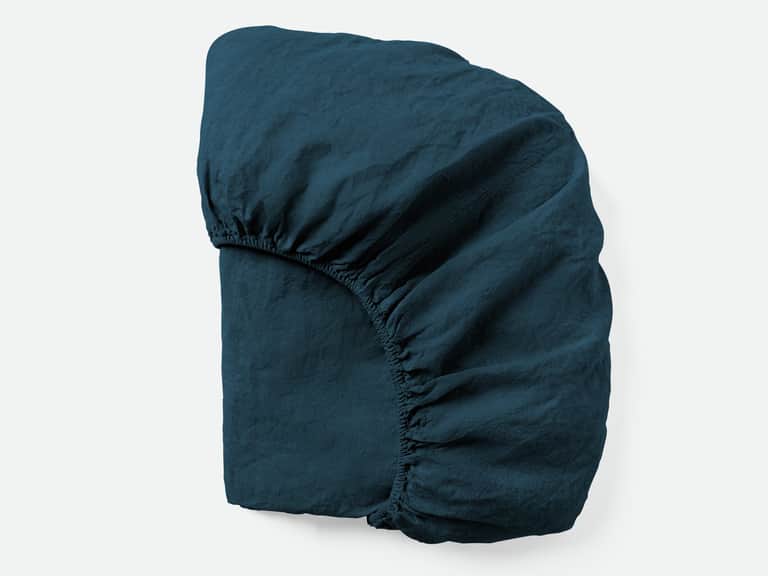
The Organic Relaxed Linen Fitted Sheet, from Coyuchi, embodies how durability manifests at the textile level. Made from 100% organic flax grown in France and woven in Portugal, this sheet features a generous 15-inch pocket with full elastic and pick-stitched cuffs. The combination of a GOTS-certified supply chain and a plant-based softener finish yields a product that remains sturdy through repeated laundering while maintaining a soft, evolving texture.
In practical terms, this sheet’s durability lies in its disciplined construction and the long-term benefits of organic fiber. The flax fibers resist pilling and wear better than many conventional blends, and the stone-washed finish contributes to a forgiving surface that doesn’t compromise airflow or comfort. The price point—reflective of its premium organic credentials—signals long-term value when weighed against the cost of frequent replacements with inferior fabrics.
Such a product underscores the broader theme: durability is not merely about initial feel or aesthetic; it’s about how a fabric ages, how it breathes, and how it behaves under a regimen of regular care.
Three Key Figures Across Time: A Linen-inspired Tableau
To illuminate the enduring relationship between linen, craft, and care, consider three pivotal figures who have shaped textiles across eras:
-
Herodotus (5th century BCE) — Early Chronicler of Textiles
In glimpses of ancient economies and daily life, Herodotus and his contemporaries documented how fabric selection signified status, climate adaptation, and resource management. Linen played a critical role in Mediterranean comfort, a fabric choice that bridged climate, culture, and commerce. His observations remind us that durable textiles have long been as much about practical survival as they are about adornment.
-
Le Cône Family and the European Linen Trade (16th–18th centuries) — The Thread of Global Exchange
A lineage of weavers and merchants helped spread linen’s reach from Belgium to Flanders, from Ireland to Italy. The trade routes—flax to fibers to finished textiles—shaped what was possible in terms of price, quality, and durability. The enduring lesson is that durability arises not only from fiber quality but from the systemic craft and commerce that sustain it over generations.
-
Ruth Handler and the Modern Sleep Revolution (20th century) — Comfort as Everyday Technology
In a more recent epoch, the push for better sleep surfaces reframed textiles as everyday technology. Linen—valued for breathability and temperature regulation—became part of a broader conversation about healthful living and longevity. The modern textile craft, in this sense, inherits a tradition of durability as a pragmatic virtue: better products, fewer replacements, and less waste.
A Value-oriented Buying Guide: Practical Steps
When you’re looking to invest in linen bedding for the long haul, here is a practical, value-first approach you can apply across brands and product lines:
- Identify the fiber origin and certifications. Prioritize flax that’s grown responsibly and textiles that carry GOTS or similar credentials.
- Assess the weave and finish. A sturdy plain weave with well-executed edge finishing (for example, hemstitched hems or pick-stitch detailing) signals durability.
- Check the pocket depth and fit. Deep pockets and robust elastic contribute to long-lasting performance, especially for thicker mattresses or adjustable bases.
- Review care instructions. Clear guidance that aligns with your laundry routine helps preserve fabric integrity.
- Benchmark durability against price. Consider the lifetime cost of ownership, including replacement frequency and energy/water usage in care.
A Product Spotlight: Organic Relaxed Linen Fitted Sheet
The Organic Relaxed Linen Fitted Sheet exemplifies how durable linen bedding can be at a compelling value point. Its 15-inch pocket and full-elastic construction ensure a secure and smooth fit that holds up day after day. The pick-stitched cuffs lend a subtle craftsmanship detail that signals durability without adding bulk.
Originating from France for the flax and woven in Portugal, this sheet embodies a European supply chain known for resilience and longevity. The finish, a plant-based softener, preserves the natural breathability and texture of the linen while enabling regular laundering without excessive softening that can compromise airflow.
Product spotlight: Organic Relaxed Linen Fitted Sheet
Coyuchi • 100% Organic Linen • 15" deep pocket • Pick-stitched cuffs • GOTS-certified
Price: $278.00
Origin: French flax, Portuguese weaving
Note: This product represents a balance of premium material and durability, reflecting a long-term value proposition. For readers seeking a more accessible start with linen, a comparable analysis across mid-range lines can reveal similar durability at lower upfront cost, albeit with variations in texture or weight.
Image display note: The product image for Organic Relaxed Linen Fitted Sheet can be displayed in contexts that support image rendering, illustrating the midnight indigo color variation often associated with this line.
Sustainability and the Future of Linen Bedding
Durability and sustainability are two faces of the same coin. When linen bedding lasts, it reduces the frequency of replacement purchases, lowers energy and water consumption associated with washing, and minimizes textile waste. The brands highlighted here exemplify a spectrum of approaches—from rigorous organic certification to heritage weaving—that cohere around durability as an ethical imperative as well as a practical one.
As consumers, we benefit from reading beyond trends: seeking linen with a clear lineage, a transparent care regimen, and materials that age gracefully. The result is not merely a well-made bed, but a more measured, thoughtful relationship with our everyday comforts.
Conclusion: Value, Longevity, and Sleep That Endures
In the world of linen bedding, durability is a function of craft, care, and time. The path to value lies in understanding how fiber origin, weave, and finishing choices interplay with your cleaning routines and seasonal needs. By focusing on brand stories that embody responsible sourcing, durable construction, and clear care guidance, you can curate a linen collection that grows softer and more beautiful with each passing year.
Whether you’re drawn to Naturepedic’s organic linen sheets, Coyuchi’s relaxed linen sets, Libeco’s linen heritage, or the DownTown Company’s Layla line, the ultimate measure of value is simple: how long does the fabric endure while maintaining comfort, texture, and beauty? The answer, in the end, is as enduring as linen itself.
Further Reading and Resources
For readers who want a broader map of linen’s history, care science, and modern manufacturing, consider exploring textile historians’ chronicles, contemporary sustainability reports from textiles, and brand-equipped care guides that reinforce careful laundering as a path to longevity.
Sitemap and 12-month Content Plan (Preview)
Would you like a detailed sitemap and a yearly editorial plan? I can provide a suggested architecture covering core pillar content, seasonal care features, brand deep-dives, and data-informed buying guides to sustain a value-focused linen resource.